

Most apartment professionals don’t wake up expecting to violate the Fair Housing Act. Yet every year, apartment communities across the country face HUD investigations, state agency complaints, costly lawsuits, damaged reputations, and expensive settlements—not because someone intentionally discriminated, but because a routine policy, inconsistent practice, undocumented decision, or overlooked operational weakness created unnecessary risk.
The unfortunate reality is that many fair housing violations are discovered only after a complaint has been filed. By then, management is forced into a reactive position, gathering documents, interviewing employees, defending decisions, and explaining practices that may have seemed harmless at the time. The better approach is to identify those vulnerabilities before someone else does. Let’s face it: the best fair housing complaint is the one that never gets filed!
This practical webinar is designed to help apartment professionals think like a fair housing investigator. Instead of focusing solely on legal theory, this session teaches participants how to conduct a systematic operational audit of their communities, policies, procedures, documentation, and day-to-day practices to uncover hidden compliance risks before they become formal complaints.
Participants will learn how to evaluate every stage of the resident experience—from advertising and leasing through maintenance, accommodations, renewals, transfers, and move-out—to determine where inconsistent practices or poorly documented decisions may expose a community to unnecessary liability.
Whether you manage a single apartment community or oversee an entire portfolio, this webinar provides practical tools that can be implemented immediately. You’ll learn how to evaluate leasing practices for consistency, identify weaknesses in resident files, review maintenance procedures for potential fair housing concerns, examine accommodation and modification processes, evaluate criminal background screening policies, assess occupancy standards, review marketing materials, and develop internal audit procedures that help identify issues before they become expensive problems.
We’ll also explore one of the most overlooked aspects of fair housing compliance: operational consistency. Even well-written policies can create liability when employees apply them differently from one resident to another. Through realistic examples and practical scenarios, participants will learn how seemingly minor inconsistencies—such as communication styles, documentation habits, maintenance priorities, or exception requests—can become the foundation of a discrimination complaint.
In today’s rapidly changing regulatory environment, apartment professionals must also evaluate how technology influences fair housing compliance. This webinar examines how websites, online applications, AI-assisted communications, automated screening tools, social media, and digital marketing practices should all be incorporated into a comprehensive fair housing audit.
Participants will leave with practical audit strategies, management tools, and implementation ideas that can immediately strengthen compliance efforts throughout their communities. Most importantly, attendees will gain a new perspective on fair housing compliance—not as a one-time training event, but as an ongoing operational process requiring leadership, accountability, consistency, and continuous improvement.
If you’ve ever wondered whether your community would withstand a HUD investigation, state agency audit, fair housing test, or plaintiff’s attorney’s scrutiny, this webinar is designed for you.
Don’t wait until someone else identifies your biggest liability; learn how to find it first.
Because the best fair housing complaint is the one that never gets filed.
By the conclusion of this webinar, participants will be able to:
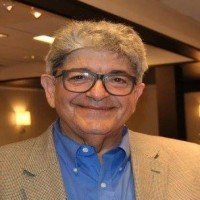
Doug Chasick, That Fair Housing Guy™, is the former President of the Fair Housing Institute, Inc. With more than 49 years of investment real estate experience, he began as the Resident Manager of a 524-unit apartment property and has been the President or CEO of five real estate companies, responsible for portfolios of over 28,000 apartments, and more than 8 million square feet of commercial, retail and industrial properties.